Past Funded Projects

The Durham community greatly appreciates the generosity of the Duke family in past Doing Good in the Neighborhood campaigns. Below, you will find a sampling of the ways your money went to work in Durham and the region since the campaign was launched in 2008.

Community Care Fund Grant Recipients

Child and Family Support Services, Healthy Families Durham: The project provided mental health services for Spanish-speaking families with children aged 0-5.

Citizen Schools: This national non-profit organization provided innovative and hands-on STEM learning experiences for at-risk, low-income students at Lowe’s Grove Middle School.

Clean Energy Durham, Energy Saving Workshops: This project increased the involvement of residents in Southwest Central Durham in activities aimed at reducing household energy use by organizing three-hour, in-home, hands-on workshops in home energy saving techniques.

Club Boulevard Elementary School: Past projects were Bringing Stories Back to Life, which taught students the art of storytelling and public performance, and Libros Pequenos de Club, a weekly story time for Latino students and their families.

Cornucopia House Cancer Support Center: Funding allowed the Cornucopia House Cancer Support Center to expand its ability to offer, at no cost, integrative therapy for cancer patients, survivors and family members.

Crayons 2 Calculators, Teacher Outreach: Funding provided additional school supplies for distribution to teachers within the Durham Public Schools.

Durham Center for Senior Life: Funding supported the creation of therapeutic music sessions to enhance cognitive abilities in the Center’s Alzheimer’s participants.

Durham Central Park: Past funding supported this non-profit’s community Blues in the Park series.

Durham Community Land Trustees, Improving the BANA Community Garden: The Burch Avenue Neighborhood Association Community Garden is a community partnership with the Durham Community Land Trustees where residents gather, grow fresh fruits and vegetables, and teach children gardening skills and the value of community. Funds were used to improve the garden with a gate, seeds for gardeners who do not have resources to purchase seeds or seedlings, and training for neighborhood youth.

Durham Crisis Response Center: Donations funded the pilot of Yoga for Youth, a successful therapeutic fitness program for Latino families in the domestic violence program.

Durham Economic Resource Center: Past funding supported events and outreach coordinators to introduce Durham’s Latino community to the Durham Economic Resource Center and expand the number of Latino residents accessing the center’s low-cost goods.

Durham Literacy Center: Escuela de la Familia provides literacy programming for Latino families in Durham.

Durham Mentors for Youth: Donations supported a mentoring program for children and youth, ages 6 to 16, who had a parent serving a sentence at the Federal Correctional Complex at Butler.

Durham Rescue Mission: Funding supported a back-to-school giveaway for low-income Durham children in need of school supplies, and a security upgrade to protect the clients living at the Good Samaritan Inn.

Durham TRY, Living in Future Tense:  Funding provided training and stipends for youth peers participating in Durham TRY’s Peer to Peer and Adult Facilitated group sessions. The sessions focused on social competencies, reading for fun, interpersonal and cultural competencies, positive identity, personal power, self esteem, time management, and substance abuse prevention awareness. Another iteration of the program focused on teaching life skills to teenage mothers, and connecting them to community resources.

Genesis Home, Independent Living Program: Funding allowed the Genesis Home to hire part-time staff who are trained in counseling young people. These new staff members provided after hours support to the young people living in the Genesis Home. Additional funding supported the expansion of the shelter’s after-school tutoring and mentoring program.

The Holton Career and Resource Center, My Brother’s Keeper: The project empowered minority male youth by helping them to develop attitudes, behaviors, and values necessary to function at high levels in school and in the world. Funding was used to conduct bi-weekly seminars for minority male students that cover topics of moral courage, decision-making and understanding purpose, and leadership.

Innovation4Motivation: Scholarships allowed low-income students at Chewning MIddle School to attend an intersession program offering a variety of engaging elective, academic and recreational courses.

Inter-Faith Food Shuttle: Funding allowed the non-profit to work with West End community members to build a community garden.

KidZNotes: Past funding supported KidZNotes, a non-profit based on the El Sistema model that teaches classical, orchestral music to low-income students in Durham. The most recent grant cycle provided support for 21 Level-II violin students to attend the local Lamar Springfield Summer Music Camp and to pass those lessons on to their peers during the school year.

NEEM: Funding supported the creation of a self-sustaining urban farm, an Urban Agroecological Research Station, and an Agro forestry project, all to benefit the Durham community.

New Horizons School, Training for Success: The program provided a second chance educational opportunity for young people who, having faced challenges, including school suspension, dropping out of school, and involvement with the criminal justice system, now seek assistance in completing their high school requirements. Funding supplemented program costs.

Pauli Murray Project: Donations supported the Pauli Murray Project Human Rights Poetry Contest, which invited Durham’s youth to celebrate local history through poetry.

Reality Center and New Horizons: These two non-profit organizations underwent a capacity-building exercise that allowed them to merge, improving their ability to serve Durham youth.

Samaritan Health Center: Donations supported a free dental clinic to screen, diagnose and treat dental issues among the homeless and uninsured in Durham County.

SEEDS of Durham, Durham Inner-City Gardeners (DIG): Funds used for the Mindful Eating project of the DIG program. DIG provides young people with meaningful employment and marketable job skills, and empowers them to make healthy and environmentally sound life choices.

SeeSaw Studio: The Youth Designer Mentoring Program enhances the creativity of local youth while teaching them marketable skills.

TROSA, TROSA Grocery: The TROSA Grocery provides a full-service grocery option to a community in East Durham that has little access to fresh and healthy food. The grocery store also provides vocational training and experience to TROSA residents, who are taking part in a residential recovery program for substance abusers. Funds were used to purchase the store’s initial food product inventory and again to expand the produce selection.

Urban Ministries of Durham, Project Rebuild Lives: Past projects provided bus passes to Urban Ministries’ residents, who are largely indigent and homeless, to allow them to get to job interviews, classes, job training, and medical and housing appointments; and provided supplies for the shelter’s laundry room.

Voices Together: This program in Durham Public Schools offers therapeutic choral lessons for young students with developmental disabilities.

Yo: Durham, Yo: Durham Parent Academy: The Parent Academy provides educational sessions and activities for parents to enhance their ability to make informed decisions about their child’s educational, social and civic development and help them become responsible citizens.

Supporting Our Young People

Achievement Academy of Durham, Career and Community Pathways project: The project increased GED completion and postsecondary education enrollment rates for Achievement Academy students. The Academy offered a series of workshops on topics pertaining to accessing key community-based personal and family services that can enhance school attendance, and understanding postsecondary career and educational pathway.

Partners for Youth, Fuel for Success: This project improved students’ knowledge of healthy habits by teaching them cooking skills, providing access to exercise options and facilities and providing them with healthier snacks at Partners for Youth tutoring sessions.

Rites of Passage, Digital Connectors Youth Program: This program engaged Walltown youth in extracurricular programming and to connect them with the skills they need to obtain quality jobs and secure their financial future.

Student U, Teacher Development and Training: Funding allowed Student U to hire 36 college students to serve as Student U teachers. These teachers successfully piloted a new teacher training curriculum.

Walltown Children’s Theatre, After School Arts: Funding provided 20 scholarships for low-income youth to attend dance and theatre classes at the Walltown Children’s Theatre.

Calvary Ministries of the Westend Community, Inc., Using Technology to Achieve Progress: Funding used to purchase academic computer software for use by students attending the group’s after school program.

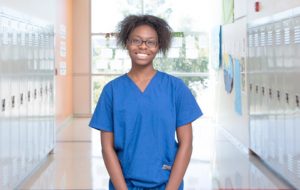
City of Medicine Academy: Funding used to offset costs associated with work-based learning experiences sponsored by Duke Medicine, provide supplies for the Homework Academy, scrubs for students who cannot afford them, and support for student enrichment activities.

Crest Street Community Council, Inc., Ms Betty’s Reading Corner: This project provides an extension of the Crest Street/New Bethel Tutorial Project by creating a new “reading corner” with new books, puzzles, magazine subscriptions and computer software.

West End Community Center, Parental Engagement Project: Funding allowed the center to hire a professional social worker to lead family workshops designed to help parents get better involved in their children’s academic and social lives.

Partnering With Our Schools

Forest View Elementary School, Extended Day Enrichment for English Language Learners: Forest View offered an extended day enrichment program for targeted English Language Learners performing below grade level. The focus of the program was on experiential learning and the development of background knowledge essential for success in school and life.

Lakewood, Forest View and Morehead Montessori Elementary Schools, DukeMed Elementary: This program allowed first grade students to participate in regular anatomy classes with Duke Medical School students.

Lakewood Elementary School, Community Stories Program: The program increased the number of actively engaged parents at Lakewood Elementary through an evening literacy activity. Parents participated in a Parent Teacher Student Association meeting while their children created storybooks with the help of Duke students and professional storytellers. Funds were provided to support the printing costs of the books that the children created.

Morehead Montessori Elementary School, Creating Parent-Teacher Resources: Through this project students and their parents visited educational facilities at Duke University. Based upon their trips, the student parent teams created multi-media web pages about the Duke facilities for use by teachers in planning field trips.

Rogers Herr Middle School, Peer Tutoring Program: Funding allowed the school to purchase standards based End-Of-Grade test workbooks for use in a peer tutoring program.

Carter Community School, Homework Help Project: Funding used to create a new website for use by students and their families. Through this new website students are able to find homework lessons online and parents are able to more easily communicate with their children’s teachers.

Supporting Our Neighborhoods

El Centro Hispano, DWI Prevention Program: The program worked to reduce motor vehicle injuries related to drinking and driving. The project increased access of Duke-Durham Neighborhood Partnership residents to health education information and prevention services.

Special Duke-Durham Neighborhood Partnership Neighborhood Growth and Development Initiatives: Funds were used throughout the year to support the neighborhoods north of Duke’s East Campus and the various non-profit and faith-based organizations that serve them, in ways that strengthen their capacity to improve the quality of living in these communities.

Southwest Central Durham Quality of Life Project, Celebrations and Traditions Project: This project increased community-based oral history and archival projects to preserve the rich history of the Southwest Central Durham neighborhoods.

Walltown Neighborhood Ministries, Digital Connectors Program: Through this program young people ages 14-21 received training in leadership development, digital education, life skills management and community service. After receiving training, these young people returned to their neighborhoods and teach community members how to use technology in their lives.

Walltown Neighborhood Ministries, Recession Assistance: This project allowed low-income Walltown residents to receive vouchers for the Durham Economic Resource Center so that they could purchase household goods and supplies.

Partnering for a Healthier Durham

Children’s Environmental Health Initiative, Bringing Books to Children Initiative: Many low income families have very little print material in the home, and even less age-appropriate material for children. Previous research has well documented the link between print material in the home and a love of reading, academic performance, and IQ in children. This program provides high-quality books to children from low-income families, as well as tips and guidance for parents about how to engage children with books.

Local Access to Coordinated Healthcare (LATCH):  For increasing numbers of
 Durham County residents who lack health insurance, a regular source of 
care, or “medical home,” accessing healthcare and managing health 
conditions is a challenge.  Started in 2002, LATCH helps uninsured Durham 
County residents improve access to care, and increase their appropriate use
 of the health system through outreach, care coordination, disease
 management, health education, service enhancement and systems change. Since
 2002, LATCH has received more than 19,000 referrals from a variety of
 health and social service providers, and of these referrals, over 14,000
 patients have been enrolled in LATCH.  In 2008, LATCH began providing care
 management services for Project Access of Durham County.  Through “Doing
 Good in the Neighborhood” support, LATCH increased its ability to 
provide durable medical equipment such as orthotic braces, crutches, and
 other supplies to patients who are uninsured and receiving specialty care
 through Project Access of Durham County.

Neighborhood Clinics, Chronic Disease Management Program:  For the 11,000 
patient visits to the Neighborhood Clinics of Walltown and Lyon Park last year the most commonly diagnosed conditions were Diabetes and Hypertension.
 Many patients had both conditions.  Learning to manage even one chronic 
illness is not easy and as 75% of the patients served by the neighborhood
 clinics are uninsured, many patients are not able to afford the supplies 
necessary to stay healthy. With “Doing Good in the Neighborhood Support,” the Neighborhood Clinics Chronic Disease Management Program assisted
 patients and their families in improving the management of chronic health
condition(s) by teaching self-management techniques and providing the
 supplies necessary to manage their chronic illness.  In addition, the 
clinics enhanced their point-of-care services for chronic disease by
adding additional testing equipment to their clinic labs, thus making the
 visit more efficient for both the patient and the provider.

School-Based Health Clinics, Helping Kids Stay Healthy and Ready to Learn: 
Students at George Watts Elementary, EK Powe Elementary, Glenn Elementary, and Southern High School made more than than 3,680 visits to the clinics at those schools last year. The school-based clinics, which provide primary
 care and mental health services (including BieneSTAR and ACCESS), 
utilized “Doing Good in the Neighborhood” support to increase the 
availability of mental health services through the elementary school clinics as well as improve asthma management through educational programs for children and parents in the proper use of asthma management equipment, provide asthma spacers for families who cannot afford them, and
 work with children and their families on their care management plans at all
 of the school-based health centers.  In addition, adolescent specific
 services began at the new Holton Wellness Center.

University Engagement

Duke-Durham Neighborhood Partnership Latino Community Engagement: Funds were used throughout the year to support the expressed needs of organizations serving Durham’s Latino community.

Durham Giving Project: Student organization dispersed small grants to worthy community organizations.

Duke Student Initiatives: This funding was used throughout the year for undergraduate and graduate volunteer student groups to develop and operate social action projects and programs that benefit Duke-Durham Neighborhood Partnership neighborhoods and schools.

DURO, Lakewood Elementary Garden: Funding provided two part time garden teachers for the 2009-2010 school year. These teachers taught Lakewood Elementary School students about organic gardening, the natural world and healthy eating.

Project Child: Funding provided training and orientation materials for a tutoring program in the Durham Public Schools.